Decaying Winter Perk Tier List
S through D rankings for every perk—with honest notes on team synergy, not solo highlight reels.
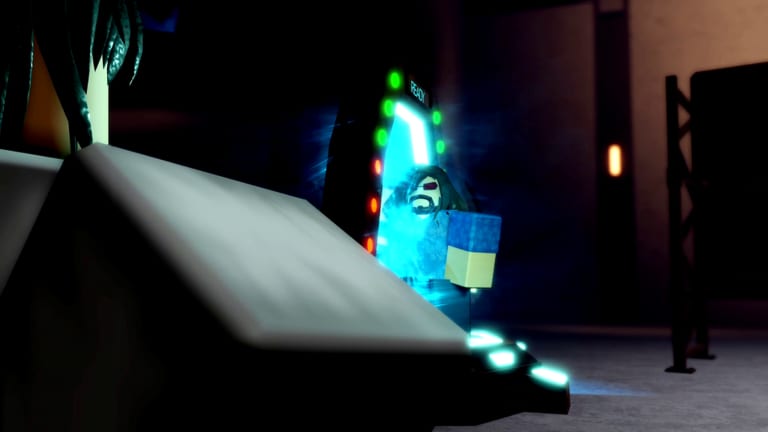
Perks are the backbone of every Decaying Winter run on EDEN-227. Each class ships with a border shape that hints at its job: circle Basic perks with no ability, square Support generalists, hexagon Frontline melee fighters, and diamond Backline ranged specialists. This tier list ranks them S through D for co-op wave survival, with explicit caveats about team synergy—because a lone S-tier damage dealer cannot save a squad with zero area denial or healing.
Tier criteria
We score perks on night-wave scaling (waves 1–10), ability reliability in public lobbies, self-sufficiency when teammates scatter, and how much they enable others. Raw damage matters, but so do thrall distractions, bee slow fields, revive tools, and frontline damage soaking. Perks that hard-counter early scavengers but collapse against late raiders or supernatural elites are marked down.
S Tier — meta anchors
Arbiter sits at the top of many damage charts thanks to Knuckle Boom melee burst and strong frontline bulk. The perk stuns, clears clustered scavengers, and scales with traits like Dependable, Fearless, or Reliable for reload and survivability. Caveat: Arbiter wants a Support player who can cover reload downtime and a Backline that does not steal aggro unpredictably.
Sovereign builds an army of thralls that split enemy attention—arguably the strongest team multiplier in the game. Late nights where raiders focus one player are exactly where Sovereign shines. Caveat: thralls need space; cramped POIs and friendly fire panic reduce value.
Hivemind delivers bee-based area denial, slowing and punishing pushes into your hold. It funnels enemies into kill zones for Arbiter and Executioner. Caveat: Hivemind assumes your team holds a defined lane; roaming Vagabond teammates dilute swarm value.
Zealot is the default Frontline tank—high effective HP, melee pressure, and a stabilizing presence when waves spike. Many ranked team comps build around Zealot absorbing the first raider contact. Caveat: without Lazarus or careful med sharing, Zealot still drops to focus fire.
A Tier — excellent with a plan
Executioner provides burst priority-target deletion—critical when supernatural elites or armored raiders enter the mix. Pair with Sovereign distractions or Hivemind slows.
Lazarus is the premier Support healer pick. Not glamorous, but wins matches when night six and beyond drain med stocks. Teams that skip healing perks often votekick themselves via wipe.
Prophet contributes utility and fight control that scales with communication. Strong in organized groups; slightly weaker when pub teammates ignore callouts.
Crosslink links team performance—buffs and coordination tools that rise with squad discipline. A-tier in premade stacks, high B-tier in chaos queues.
B Tier — situational or skill-gated
Riskrunner swings between run-winning highs and resource bankruptcy on wave four depending on RNG and trigger discipline. Veterans love it; beginners should not main it.
Artillerist is a textbook Backline perk—excellent when given firing lanes, frustrating on narrow maps or with Frontline players blocking sightlines.
Vagabond flexes between roles with mobility tools. Fearless trait synergy helps offset defensive penalties for confident melee players. Needs map knowledge from the Enemies and Map guide.
Berserker delivers Frontline burst similar to Arbiter but less forgiving mobility. Strong in static holds, weak when kiting supernatural threats.
Survivalist is the starter Basic perk—no ability, no gimmicks, pure fundamentals. B-tier for power, S-tier for learning. Every player should understand Survivalist limits before unlocking ranked perks.
Last Strandeds and event perks — expanded tiers
Several perks arrived with Last Strandeds and Cultist Takeover content. They are omitted from older tier snapshots but matter for Holdout, Cultist Takeover, and Oblivion metas as of August 2026.
Drifter — A-tier stealth Frontline (unlockable)
Drifter unlocks via the Unseen Shadow challenge (30 unaware kills) and plays as a stealth skirmisher with Cloaked smoke and Dread melee. A-tier in organized squads that respect stealth breaks—Drifter cloaking works on cultists during takeover nights, making quest routing and scout passes safer than raw Zealot face-tanking. Caveat: gunfire breaks Cloaked for teammates; Castle bosses like the Sledge Queen detect stealth. Drops to B-tier in pub lobbies where random shots ruin smoke setups.
Apostle — B-tier Frontline (unlockable, Shadow Hunters)
Apostle requires The Sickler challenge (Shadow Sickler kill credit) and brings Theourgia’s Hand plus Shadow Hunter summons costing HP per cast. B-tier general ranking—strong supernatural wave clear and Oblivion add control, but HP costs punish mis-timed summons during morale debuffs. Synergizes with Tanker challenge gear (SANC Matchsticks). Not mandatory for Oblivion thanks to AGENT destruction bypass, but still valuable when nightmare cultist density spikes.
Tickspider — A-tier Backline (traps and DoT)
Tickspider deploys trap and DoT tools for lane control—community A-tier for Holdout infinite waves and Cultist Takeover Turf War portal holds. Excels when enemies path predictably through chokepoints. Caveat: wasted traps on roaming pub teammates who never hold a lane.
Blitzer — A-tier Backline (mobility burst)
Blitzer delivers explosive Backline burst and mobility for elite deletion—A-tier alongside Artillerist in Holdout boss cycles and late supernatural nights. Less forgiving than Hivemind for area denial but faster at deleting priority targets when sightlines open. Pair with Sovereign distractions.
Mindflayer — B-tier Support (disruption)
Mindflayer contributes control and disruption for organized Support players—B-tier in premade stacks, C-tier in chaos queues where CC targets move unpredictably. Strong when paired with Crosslink wires or Hivemind bees; weak when the squad already duplicates hard CC.
Immolator — B-tier Frontline (fire pressure)
Immolator applies fire-themed Frontline pressure and area control—B-tier for static holds and cultist chokepoints during takeover nights. Scales with Methodical or Relentless traits but lacks Arbiter burst ceiling. Solid flex when your squad needs a second Frontline without duplicating Zealot.
Pressured — tier unknown (unlockable)
Pressured remains unlockable with incomplete public data as of August 2026—treat as unranked until Trello or patch notes confirm ability numbers. Do not main it in ranked pub queues based on placeholder hype; verify on Trello after balance drops.
C Tier — niche or high friction
Damned and other high-risk picks can clear content in skilled hands but punish misposition harshly during storm transitions and night splits. Run them when you know day loot routes from Looting and can anchor night without babysitting.
Some generalist Support perks without clear identity fall here when the squad already duplicates their utility.
D Tier — avoid as a first main
Perks that demand perfect team setup, offer low wave-one impact, or actively conflict with pub matchmaking flow sit in D for new player recommendation purposes only. Experienced players still clear nights with D-tier mains—this list is about consistency across lobbies, not insulting your favorite class.
Role reminder
Before you lock a perk, read Role Builds and Team Comps. A full squad of S-tier Frontline perks loses to a balanced B-tier mix with Hivemind control and Lazarus sustain.
Related links
- Trait Tier List — pair Professional, Methodical, Calm, Relentless, Survivor wisely
- Beginner Build — safe unlock path off Survivalist
- Grind XP — unlock order suggestions
- Cultist Takeover — event perk context
- Oblivion — supernatural finale picks
- Holdout — infinite wave tier shifts
- Controls — melee and ability timing on keyboard and mouse
- Trello — patch notes when perks shift tiers
- Codes — no codes in Decaying Winter; progression is gameplay-based
- Scripts and Tools — use at your own account risk
Tier lists are snapshots. When the meta shifts, adjust one letter—not your entire identity as a player.
Frequently Asked Questions
Quick answers to the most common Decaying Winter questions.
Is Arbiter always the best perk?
Arbiter is the strongest raw Frontline damage for many players, but Sovereign and Hivemind can contribute more to team wins through control and distraction. Best depends on squad gaps.
Why is Survivalist only B-tier if everyone starts on it?
Survivalist lacks an ability and scales less into late nights. It is the best teaching perk, not the best power pick once you understand the loop.
Does Riskrunner belong higher for pros?
Skilled players who manage resources can push Riskrunner into A-tier runs. Public match inconsistency keeps its general ranking at B.
How many Frontline perks should a team have?
Usually one primary tank (Zealot) plus one damage Frontline (Arbiter or Berserker). Two tanks without Backline DPS often fail supernatural waves.
Where should I check for tier changes after updates?
Compare patch notes on the Trello board with community feedback, then re-read the Team Comp page for new five-stack templates.